Z Garbage Collector (ZGC)
ZGC, or Z Garbage Collector, is a modern garbage collection algorithm introduced in Java 11. It was designed to handle very large heap sizes with extremely low pause times. ZGC aims to keep pause times…
ZGC, or Z Garbage Collector, is a modern garbage collection algorithm introduced in Java 11. It was designed to handle very large heap sizes with extremely low pause times. ZGC aims to keep pause times…
The Concurrent Mark Sweep (CMS) Garbage Collector was a popular garbage collection algorithm used in the Java Virtual Machine (JVM) for many years. It was introduced to reduce long pause times caused by Full GCs.…
The G1 Garbage Collector (G1GC) is one of the most advanced garbage collection algorithms in the Java Virtual Machine (JVM). It is also called Garbage-First Garbage Collector. It was designed to handle large heap sizes…
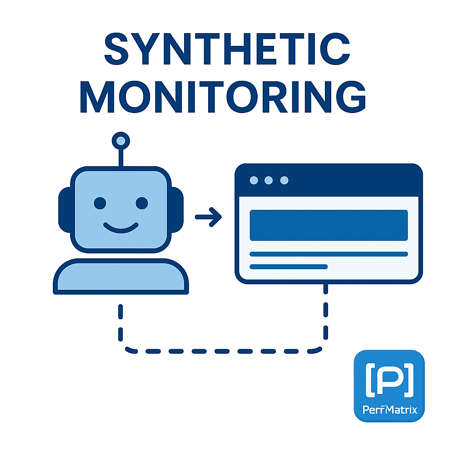
Synthetic Monitoring is a technique that continuously simulates user interactions with a system or application to test its performance and availability. It is also known as proactive monitoring. Unlike Real User Monitoring (RUM), which tracks…

APM (Application Performance Monitoring) vs RUM (Real-User Monitoring) In the rapidly evolving world of web and application development, maintaining optimal performance and a smooth user experience is critical. Two of the most widely used monitoring…
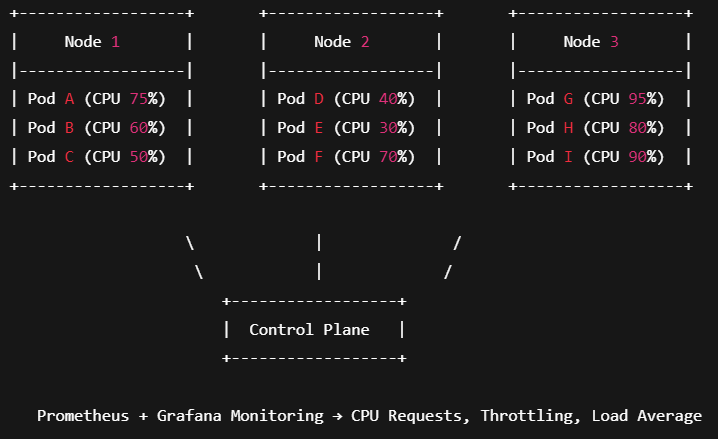
To measure CPU utilization in a cloud-based architecture, or, to be specific, in a cluster (e.g., a Kubernetes cluster, Hadoop cluster, or any distributed system), you need to monitor CPU usage across all nodes in…